
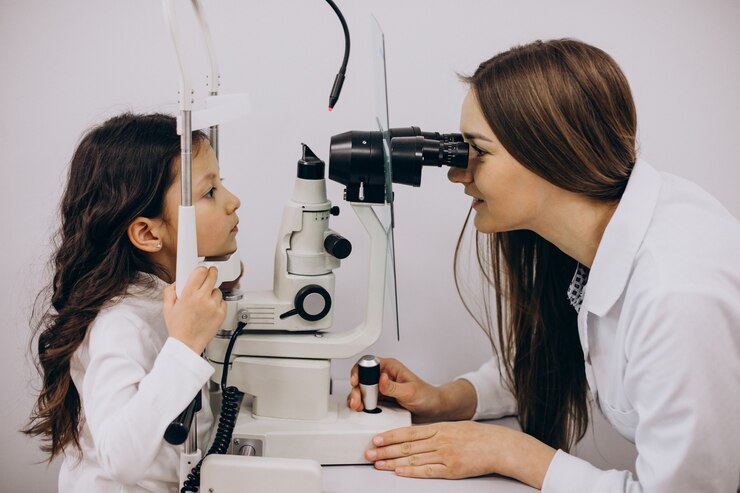
 Visiting an optometrist doctor near me for the first time can feel a little scary. You may wonder what will happen, how long it will take, and if anything will hurt. The good news is this — a first eye exam is simple, safe, and helpful.
Whether you need glasses, contact lenses, or just want to check your eye health, this guide will walk you through everything you can expect. Knowing what happens can help you feel calm and ready.
Why Seeing an Optometrist Doctor Near You Matters
An optometrist is an eye doctor who checks how well you see and how healthy your eyes are. They help with:
Eye exams
Vision testing
Glasses and contact lenses
Eye disease screening
Eye health care for kids, adults, and seniors
Choosing an optometrist doctor near me makes care easy and fast. Local eye doctors also understand your lifestyle, work habits, and family needs.
Before Your First Eye Exam: How to Prepare
Getting ready for your visit is easy. Here are a few simple steps:
Bring These Items With You
Your photo ID
Insurance card (if you have one)
Current glasses or contact lenses
A list of medicines you take
Know Your Eye History
Try to remember:
When your last eye exam was
If eye problems run in your family
If you have headaches, blurry vision, or eye strain
This helps your optometrist doctor near you give better care.
Checking In at the Eye Care Center
When you arrive, the front desk staff will greet you. You may be asked to:
Fill out forms
Share your medical history
Answer questions about your vision
Many eye care centers are friendly and calm. The goal is to make you feel comfortable from the start.
Step 1: Vision Testing (How Well You See)
The first test checks how clearly you see. This is called a vision test.
You may:
Read letters from a chart
Look through special lenses
Cover one eye at a time
This helps your optometrist see if you need glasses or a change in your prescription.
Step 2: Eye Health Evaluation
Your optometrist doctor near me does more than check vision. They also check eye health.
Eye Health Checks May Include:
Looking at the front of your eyes
Checking your retina and optic nerve
Screening for eye diseases
This step helps find early signs of:
Glaucoma
Cataracts
Macular degeneration
Diabetic eye disease
Early care protects your vision for life.
Step 3: Eye Pressure Test (No Pain)
Many people worry about this test. Don’t worry — it’s quick and painless.
Most offices use Non-Contact Tonometry (NCT):
A gentle puff of air
No eye drops needed
Takes only seconds
This checks eye pressure and helps screen for glaucoma.
Step 4: Lifestyle and Vision Discussion
This part feels like a friendly chat.
Your optometrist may ask:
How much time you spend on screens
If you drive at night
If your eyes feel dry or tired
This helps them give advice that fits your daily life, not just test results.
Step 5: Glasses or Contact Lens Exam (If Needed)
If you need vision correction, your optometrist will guide you.
Glasses Exam
Choose the right lens strength
Talk about lens options
Help match frames to your face
Contact Lens Exam
Measure your eyes
Check comfort and fit
Teach you how to use and care for lenses
This ensures safe and clear vision.
Eye Exams for Kids and Families
Many people search for an optometrist doctor near me for their children.
Eye exams for kids:
Support learning and reading
Catch vision issues early
Help with focus in school
Family eye care makes it easy for everyone to stay healthy.
Senior Eye Care at Your First Visit
Older adults need special attention.
Senior eye exams focus on:
Vision changes with age
Eye disease screening
Comfort and clarity
Regular visits help seniors stay independent and safe.
How Long Does a First Eye Exam Take?
Most first visits take 30 to 60 minutes. It may be longer if:
You need contact lenses
Your eyes need extra care
Your optometrist will never rush you.
Common Questions About First Eye Doctor Visits
Does an eye exam hurt?
No. Eye exams are safe and gentle.
Will my eyes be dilated?
Sometimes. This helps the doctor see inside your eyes. Vision may be blurry for a few hours.
How often should I see an optometrist?
Most people should go once a year.
Benefits of Choosing a Local Optometrist Doctor Near Me
Choosing a nearby eye doctor offers many benefits:
Easy appointments
Quick follow-up care
Personalized service
Trusted community care
Local optometrists build long-term relationships with patients.
What Happens After Your First Visit?
After your exam, you may:
Get a glasses or contact lens prescription
Receive eye care tips
Schedule your next visit
You’ll leave knowing more about your eyes and how to protect them.
When Should You Book Your First Eye Exam?
You should see an optometrist doctor near me if you:
Have blurry vision
Get headaches
Use screens daily
Haven’t had an eye exam in over a year
Even if your vision feels fine, regular exams protect your eye health.
Final Thoughts: Your First Eye Visit Is Easier Than You Think
Your first visit with an optometrist doctor near me is simple, safe, and helpful. From vision testing to eye health checks, every step is designed to keep your eyes healthy and your vision clear.
Taking care of your eyes today helps you see better tomorrow.